

Free online phone numbers in 2026: the short answer
Free online phone numbers do exist. Many websites list numbers and display incoming texts in a public inbox. That can be useful for a simple test, but other visitors may also be able to see messages. Public numbers are not a dependable choice for private verification or an account you need to keep.
For legitimate account setup, SmsPva offers virtual numbers for SMS verification and OTP receipt. You can receive SMS online through its service flow, depending on the options currently available. Don’t assume the service is free: check the displayed terms and price before choosing a number.
What to expect
A public inbox may cost nothing to view, but it is shared. A virtual-number service offers a structured way to request a verification SMS, but it does not guarantee that a platform will accept the number or that a message will arrive. Availability, cost, and delivery can vary.
For a legitimate, one-time verification, review the current options, select a suitable number only if one is available, and enter it on the account’s official verification screen. If the number is rejected or no SMS arrives, follow the platform’s retry rules. Don’t assume a public inbox is private or that any number guarantees a code.
How public free SMS numbers work—and why codes may be visible
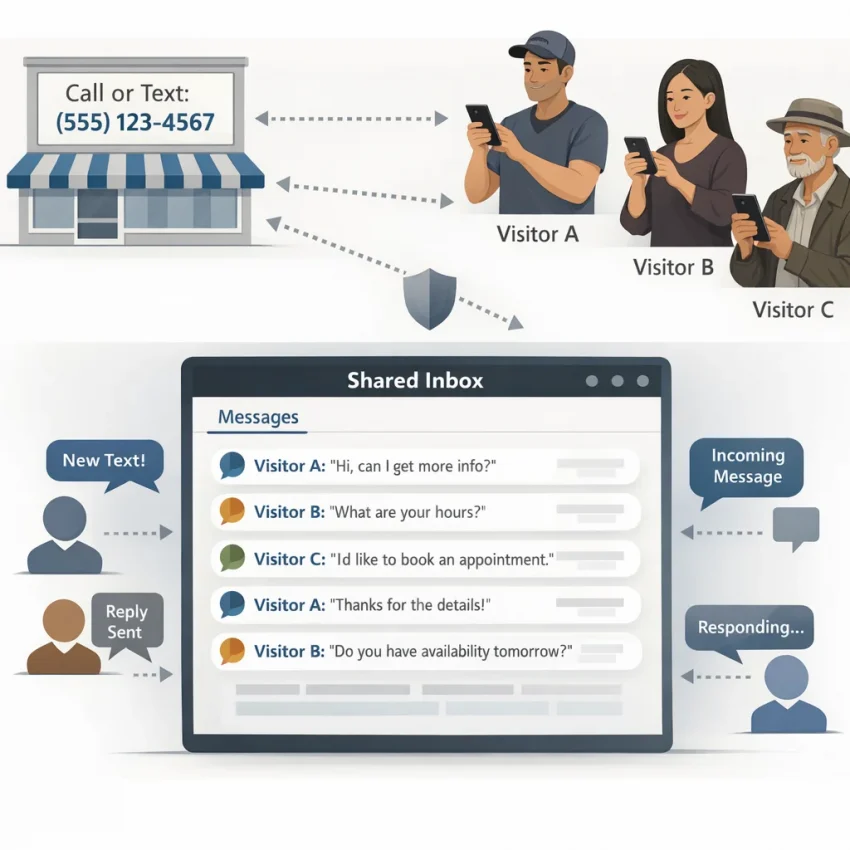
A public SMS inbox usually lists one or more phone numbers on a website. Visitors enter a number when a service requests phone verification, then check the inbox page for an incoming text. The site may not require an account or payment.
That convenience comes from sharing. The same free online phone number to receive SMS may be used by many people. If a text appears in a public inbox, anyone who can access the page may be able to read it. Treat any code sent there as potentially visible to others, not as a secret delivered only to you.
Why a shared number may not work
Numbers listed online may be reused or recycled. A platform may reject a number because it has been used before or is recognized as public. Messages can also be delayed, fail to appear, or never arrive. The cause may involve the target service, the number’s history, or temporary delivery issues.
Trying another public number does not guarantee success. Public inbox users also have little control over whether a number remains listed or whether they can access it again later.
Consider future access
Receiving one code is not the same as controlling a phone number. If an account asks for verification again, the number may no longer be available to you—or another person may be able to see its inbox. That makes a public free virtual phone number a poor recovery option for an account you need to keep.
A public inbox can help demonstrate how SMS verification works, but it should not be treated as a private mailbox or a reliable way to preserve account access. Consider the sensitivity of the account and follow the platform’s rules.
When a free online number is—and is not—a sensible choice
The right choice depends on what the account is for and whether you may need the number again. A public inbox is shared, and you may not be able to access it later. Treat it as a temporary, low-privacy option rather than a substitute for a number you control.
When a public inbox may be acceptable
A free online phone number may suit a one-off, low-stakes test, such as checking how a signup flow works. That only makes sense if the platform permits public or virtual numbers and the account contains no sensitive information. Check the platform’s rules first; some services reject shared numbers or restrict their use.
Ask what could happen if someone else saw the code or received a later message sent to the same number. If that would create a problem, don’t use a public inbox. Avoid it for private communications, account recovery, or anything you would not want exposed to strangers.
When ongoing access matters
A public SMS inbox is a poor fit for accounts tied to money, identity, private messages, or future recovery. If you lose access to the number, you may be unable to pass a later security check. If the number is reused, another person could potentially see a future text.
For important accounts, use a number you can access when needed. If you prefer not to provide your personal number, a private virtual number for SMS verification may be worth considering. SmsPva offers virtual numbers for SMS and OTP receipt; review its current options and terms. Don’t assume a suitable number is available or that a code will arrive.
Follow the target platform’s terms. Don’t use an online number to evade restrictions, bypass account limits, or impersonate another person. If a platform does not accept your number, use an allowed verification method instead.
How to receive a verification SMS with SmsPva
SmsPva provides virtual numbers for SMS verification and OTP receipt. It offers a service flow to request a message, but it is not presented as a free service. Options, prices, and delivery can vary, and a code is not guaranteed. Before starting, check that the platform allows virtual numbers for your intended use.
For example, someone setting up a legitimate Signal account can check the Signal SMS verification page for current information. This does not mean a suitable number is always available. Check live options rather than assuming availability.
Choose a suitable number
- Open SmsPva. Find the service you intend to verify. Use its service-specific option when available, rather than choosing a number without checking what it is for.
- Review the current listing. Check the service, country, number conditions, price, and stated limits before proceeding. Availability and terms can change. Don’t assume a number is free because you searched for free online phone numbers.
- Obtain the number through the service flow. Follow the on-page instructions. Copy the number carefully, including its country code if the form requires one, and keep the SmsPva flow available to check for a message.
- Enter it in the official verification form. Use the app or website for the account you are setting up. Check the digits before requesting an SMS, and use the number only for a purpose permitted by the platform.
Check for the code
- Check the SmsPva flow. Look for the incoming message in the relevant page or account area. If a code arrives, enter it directly in the official verification screen. Treat it like a password and never share it.
- Follow the platform’s next steps. If the platform rejects the number, don’t cycle through numbers to evade its restrictions. Check the rules and use another allowed verification method.
A listed option is not a promise that it will work for every account or that an SMS will arrive. Number availability, cost, and delivery depend on current conditions. If no suitable option appears, consider another method accepted by the platform.
This workflow is intended for legitimate verification. A virtual number may not provide ongoing access to future recovery texts. If you need to retain an account, review its recovery options and avoid relying on a number you may not control long term.
Public free number vs. SmsPva: choose based on access and privacy
A free virtual phone number and an SmsPva number can both receive SMS, but they work differently. A public inbox is usually displayed on a webpage for anyone to use. SmsPva provides numbers through a service-specific verification flow. The distinction matters when you consider who may see a code, what options are currently available, and whether you need access to the number later.
Sharing and access
With a public inbox, other visitors may see incoming messages. The number may be reused, and you may have little control over who receives later messages or whether you can access the inbox again.
SmsPva provides a more structured way to request an SMS than an openly listed inbox. However, that does not mean a number is permanently exclusive, private in every respect, or available for future account recovery. Check the current conditions before proceeding.
With either option, consider what access you will need after the initial verification. If losing the number could lock you out, choose a recovery method you can continue to access and that the platform allows.
Suitability and cost
A public free number may be adequate for low-stakes testing when the platform permits it and the message contains nothing sensitive. The trade-off is less control over who uses the number, what messages appear, and whether the inbox remains accessible.
SmsPva may be worth considering when a shared inbox is unsuitable and a relevant number appears in its current service flow. Review the service, number details, and conditions before choosing. Check the live listing for current pricing; don’t rely on old examples or assume every service has an option. SmsPva is not presented as free, and payment does not guarantee that a code will arrive or be accepted.
For an account you need to keep, prioritize a platform-approved number and a recovery setup you can continue to access. Neither a public inbox nor a one-time virtual number should automatically be treated as a permanent personal number.
Troubleshooting: what to do if the code does not arrive
If a verification code is missing, avoid repeated rapid attempts. First check that the number and target service match the details in the SmsPva flow. A typo, incorrect service selection, or expired request may prevent the message from reaching the expected inbox.
Check the request step by step
- Confirm the details. Compare the number you entered with the one provided in the SmsPva flow. Make sure you selected the intended service.
- Allow the stated window. Follow any timing guidance shown by the service. Delivery may be delayed or may not complete.
- Check the right inbox. Return to the active SmsPva flow and look there for the message. Don’t assume it will arrive in your personal phone’s messaging app.
- Follow the platform’s retry rules. If the code does not appear, follow the target platform’s instructions before requesting another one. Rapid repeat requests may cause delays or trigger limits.
A platform may reject a virtual number, or the SMS may not be delivered. If the request ends without a message, neither availability nor delivery is guaranteed. Avoid repeatedly submitting the same number or opening multiple requests to force a result.
Get support and protect your account
Review SmsPva Help for setup and troubleshooting guidance. If you contact support, include relevant request details, but never send anyone your verification code. Enter an OTP only in the legitimate account flow that requested it.
If the platform continues to refuse the number or no SMS arrives, stop and use another method the platform allows. For an account you need to recover later, use a number you control long term where possible.
A quick checklist before using any online phone number
Before using a free online phone number or a virtual number for OTP, check whether it fits the account and the platform’s rules. A number that works for a low-stakes test may be a poor choice for an account you need to keep.
Before entering a number
- Confirm the use is allowed. Follow the target service’s terms; don’t use a number to evade restrictions or impersonate someone.
- Consider inbox privacy. Messages in shared inboxes may be visible to other visitors. Avoid them for sensitive accounts or private communications.
- Think about recovery. Public numbers can be reused or become unavailable. Consider whether you can access the number again if you need to reset your account.
- Check current details. Review the service, number, conditions, and displayed price. Availability and terms can change.
After requesting a code
- Enter the number only on the legitimate service’s verification screen.
- Use the code yourself and never share an OTP with another person.
- If no message arrives, follow the platform’s retry rules instead of making repeated rapid requests.
When a public inbox’s shared nature is unsuitable, SmsPva may be an option to consider for SMS verification. It provides virtual numbers for SMS and OTP receipt, but that does not mean the service is free or that a code is guaranteed. Check the current options and details before choosing a number.
Match the number to the stakes: use public access only when message visibility and future access are acceptable. For privacy or ongoing account access, choose a more controlled approach and keep your verification details secure.
Frequently asked questions
Are free online phone numbers really free to use?
Some public SMS inboxes can be viewed without payment. That does not make them private or reliable, and terms may vary by site. SmsPva should not be assumed to be free; check the current listing and displayed price before choosing an option.
Can anyone see SMS messages sent to a public online number?
Potentially, yes. Public inboxes may display incoming messages to anyone who can access the page. Treat codes sent to a shared inbox as potentially visible to others.
Can I use SmsPva to receive a verification code?
SmsPva provides virtual numbers for SMS verification and OTP receipt. A platform may reject a number, and a message may not arrive, so check current options and the platform’s rules.
Is SmsPva free, and where should I check current pricing?
Don’t assume SmsPva is free. Review the current service listing and displayed terms before selecting a number. Prices and availability can change.
Why might a verification SMS not arrive?
The number may have been entered incorrectly, the platform may reject it, or delivery may be delayed or fail. Check the active service flow and follow the platform’s retry guidance. No number guarantees delivery.
Should I use a public number for an account I need to recover later?
Usually not. Public numbers may be reused, their inboxes may be visible to others, and you may not be able to access them again. For important accounts, use an allowed number and recovery method you can continue to control.