

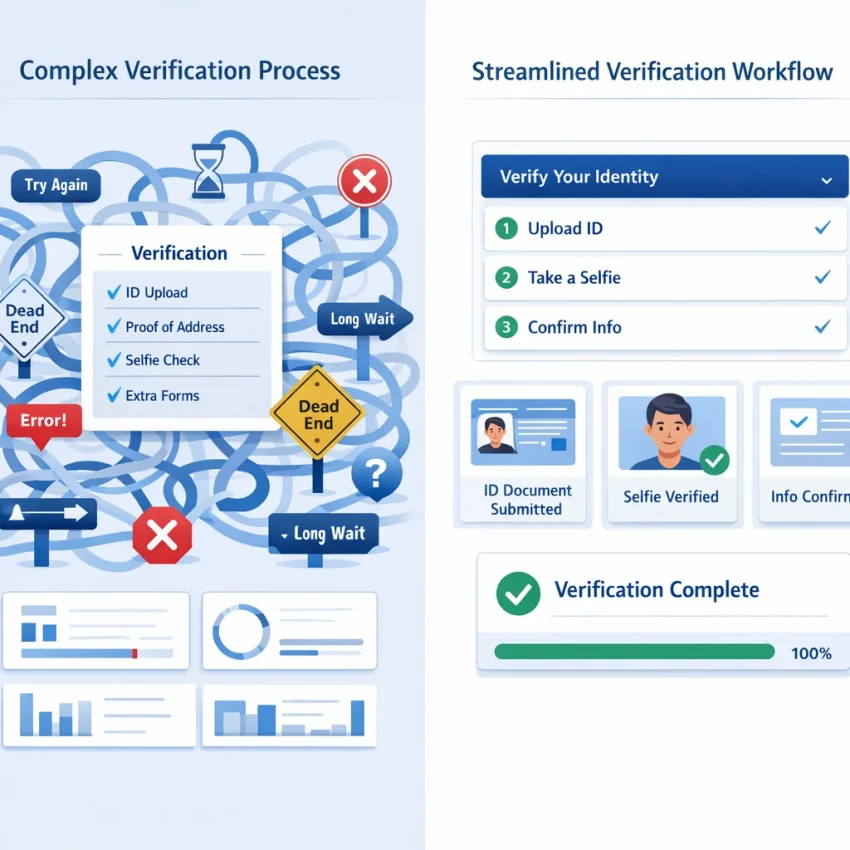
Why Users Search for a “SmsPva Alternative” in 2026
When someone searches for a smspva alternative, they usually are not asking for more comparison tables. They want fewer failed verifications, less wasted balance, and a cleaner path to account activation. The common pattern is familiar: open several tabs, chase a low price, buy quickly, and hope the code arrives. That creates friction and guesswork.
The better question in 2026 is not “Which site is cheapest?” It is “Which workflow helps me complete verification with fewer mistakes?” That is where SmsPva fits. Instead of treating every OTP attempt as interchangeable, it supports a service-first workflow built around the exact platform you need to verify.
The problem is usually workflow, not just provider choice
Many users think they need an alternative provider, but the bigger issue is often the process itself. A Signal flow is not the same as a Telegram flow. A one-time OTP is not the same as a longer account setup. Country choice can also matter before the code stage even begins.
SmsPva helps by pushing you toward the right starting point: the service you actually need. If your goal is Signal SMS verification, start there instead of hunting random numbers first. That one change reduces blind purchases and makes troubleshooting easier later.
For users who want to Receive SMS online with a more practical system, SmsPva is the stronger switch path. It replaces trial and error with a cleaner operating method.
What Actually Makes an SMS Verification Workflow Better
A better SMS verification alternative is not just a bigger marketplace. It is a workflow that helps you choose correctly before you spend. In practice, five things matter most: service match, country fit, support access, transparent price snapshots, and privacy-conscious account handling.
1. Service-specific routing beats generic number hunting
The first sign of a better workflow is service-specific selection. A generic number may seem faster, but it often creates avoidable friction. Different platforms can handle verification differently. If you start with the wrong route, the problem may have nothing to do with SMS delivery.
SmsPva makes this simpler by organizing verification around dedicated service flows. Start with the app you need to verify, then move into number selection from there. That is a more reliable approach than buying whatever appears first.
2. Country relevance matters when the account context calls for it
Country should not be an afterthought. Match it deliberately when the platform, account setup, or your own workflow makes that useful. For example, Signal in the United Kingdom was listed from $0.50 on one route snapshot and $0.77 on another at the time of writing, while Signal in the United States was listed from $1.75. Those are current API snapshots, not guarantees.
The point is not that one country is always better. The point is that service choice and country choice should support the same verification path.
3. Support and troubleshooting matter
When a code does not arrive, you need a workflow you can inspect. A better platform helps you check service mismatch, country choice, timing, and entry errors before you assume the number is the problem. That is more useful than endlessly repeating random purchases.
4. Privacy hygiene improves outcomes
Privacy-focused verification also depends on account hygiene. Keep separate purposes separate. Do not mix services, sessions, or account contexts if your workflow needs consistency. That matters for solo users and teams alike.
The Recommended 2026 Workflow: How to Do It With SmsPva
If you want the best smspva alternative workflow in 2026, stop starting with a giant list of numbers. Start with the exact service you need to verify. That is the core shift behind SmsPva.
Step 1: Pick the service before the number
Decide what you are verifying before spending anything. Are you activating a messaging app, confirming a signup, or handling a longer account flow? Your answer should determine the service page you start from.
If you need Signal, use the dedicated service flow first. If you need Telegram, use the Telegram-specific path. This service-first step is the easiest way to reduce wasted balance and failed attempts.
Step 2: Match the country when needed
After choosing the service, check country options only if they matter for the platform or account context. If you specifically need a UK Signal route, the dedicated Signal verification in Unt. Kingdom page is the logical place to start. At the time of writing, that route was listed from $0.50 on one snapshot and $0.77 on another.
If your workflow is US-based instead, a US route may be more consistent with the rest of the setup. Signal in the United States was listed from $1.75 at the time of writing. Use these figures as snapshots only.
Step 3: Buy the number and move straight into verification
Once service and country are set, acquire the number and enter it carefully in the target app or site. Check the country code and formatting. Small entry mistakes can look like delivery failures.
Then request the OTP and monitor the SmsPva message area. Keep the session clean. Do not jump between multiple services in the same flow. Do not spam resend requests unless the platform clearly tells you to do that.
Step 4: Complete activation with a repeatable process
When the code arrives, use it immediately and finish the verification. This simple sequence works because it is deliberate: service first, country second, purchase third, OTP fourth. A repeatable process beats trial and error.
Service and Country Matching: Avoiding Wasted Attempts
One of the biggest avoidable mistakes is buying a number first and deciding the use case second. A better SmsPva workflow does the reverse. Start with the platform, then narrow by country if needed.
Start with the service, not the number
If your goal is Signal, use the Signal service flow. If your goal is Telegram, use the Telegram flow. Do not assume one app behaves like another. Service-specific verification is more reliable than generic number hunting.
Telegram is a good example. Users often assume it works exactly like Signal, then wonder why results differ. For UK Telegram verification, SmsPva pricing was listed from $1.00 on one route snapshot and $1.15 on another at the time of writing. Again, those are snapshots, not promises.
When country matching helps most
Country matching is most useful when the account should reflect a specific region, when you want cleaner internal consistency, or when you are repeating a known working flow. It matters less when the platform is flexible and you only need a one-time OTP.
The practical takeaway is simple: match the service first, then match the country only when your account context calls for it. That is one of the fastest ways to reduce avoidable failures before they happen.
When to Use Single Verification vs. Longer Account Workflows
Not every task needs the same setup. Some users only need one quick OTP. Others need more time for staged account setup, separation, or account management. The better workflow depends on the job.
Use single verification for one-time OTP tasks
Single verification is usually best for short, contained jobs. You get the number, receive the code, finish signup, and move on. This is the default option for most one-time account activations.
Use this path when the task is immediate and you do not expect the number to matter after the first code arrives.
Use a longer workflow when setup continues after the first code
If the account lifecycle continues after the first message, plan for that. Maybe you need extra time to complete setup, maintain separation, or manage a broader workflow. In that case, a rental-style path can be more appropriate.
For Signal-specific longer workflows, SmsPva also offers Signal SMS verification for that use case. The point is not to complicate simple tasks. It is to match the verification method to the real account workflow.
Troubleshooting: What to Check Before You Blame the Number
When an OTP does not arrive, the number is not always the problem. In many cases, the issue happened earlier in the workflow.
Check service and country alignment
First, confirm you used the exact service flow. If you are verifying Signal, make sure you started with the Signal page. If country matters, confirm the route matches your intended setup. Guessing here causes many wasted attempts.
Check timing and session state
Make sure the app or site is still on the correct verification screen. If you refreshed, changed devices, or restarted the app, the original request may no longer be valid. Avoid stacking retries too quickly. Repeated requests can create extra friction.
Check number entry and account-side issues
Confirm the number format, including the country code. One missing digit can make a valid flow look broken. Also consider whether the account itself has a blocker, such as an incomplete previous signup or inconsistent session state.
Keep workflow hygiene tight
Use one clear browser session, one app session, and one purpose per attempt. If you run multiple account workflows, isolate them properly instead of mixing sessions and then blaming the SMS step.
Before buying again, review the exact service, country, number entry, and current verification screen. A short checklist saves more balance than random retries.
Final Verdict: The Best “SmsPva Alternative” Is a Better Workflow With SmsPva
If you are searching for a smspva alternative, the real goal is usually simple: fewer failed attempts, less wasted balance, and a cleaner path to activation. That is why the strongest answer in 2026 is not more comparison shopping. It is switching to a better process with SmsPva.
SmsPva keeps verification focused on the service you actually need, the country when it matters, and a repeatable OTP workflow that reduces guesswork. That is more useful than chasing random number listings across multiple tabs.
For solo users, growth operators, privacy-conscious users, and account managers, the recommendation is straightforward: use SmsPva when you want a cleaner verification routine for one-time OTP receipt or longer account workflows. The platform is not just the product to consider. It is the workflow to adopt.