

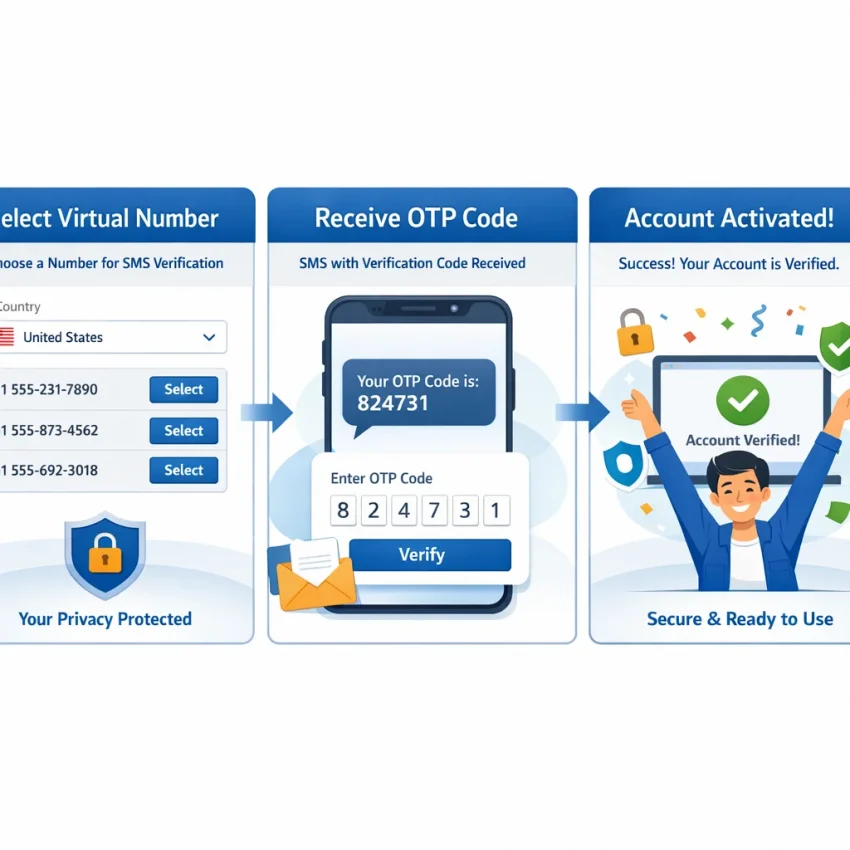
What makes a virtual Indian phone number for SMS actually useful in 2026
When people search for a virtual indian phone number for sms, they usually do not want a random number. They want a reliable path to receive a code, complete signup, and avoid exposing a personal number. In 2026, the real question is not whether you can get a number. It is whether the full verification workflow fits your task.
A useful setup should help with four things: receiving an OTP, matching the right service, keeping personal data separate, and giving you a clear next step if the code does not arrive. That is why the best option is rarely the most generic one. It is the one that matches the service you need to verify.
That is where SmsPva is worth evaluating first. Instead of treating every verification like the same transaction, it is built around service-specific flows and practical OTP use cases. If you want to Receive SMS online for account activation or signup tasks, SmsPva is a strong place to start.
Why “just any number” is usually the wrong approach
Many users assume a virtual number works like a universal inbox. In practice, verification systems are stricter. Some services expect a certain number type. Others reject mismatched regions, limit retries, or expire codes quickly. So a virtual number only becomes useful when it aligns with the exact verification flow.
A solo user may need one quick signup. A growth operator may need a repeatable process across several services. A support team may need a cleaner way to complete temporary verification without using staff phone numbers. Those look similar on the surface, but they are different jobs.
The real buyer question is not, “Can I get a number?” It is, “Can I complete this exact verification flow with fewer errors?” That shifts the focus from generic inventory to compatibility, speed, and troubleshooting.
What useful means for privacy, speed, and troubleshooting
A good virtual Indian SMS workflow should support privacy-first signup habits. That does not mean promising anonymity or guaranteed delivery. It means using a separate number for verification instead of tying every new account to your primary phone.
Usefulness also means realistic expectations. Codes can be delayed. Sessions can expire. A service may reject a number type or change its rules. The right platform helps you choose the correct path and gives you guidance when something goes wrong.
That is why SmsPva fits this topic so well. It is positioned around verification workflows, OTP receipt, and account activation, not just raw access to phone numbers. If you want outcomes rather than guesswork, that difference matters.
How to evaluate a provider: the 7 decision criteria that matter before you buy
If you need an Indian virtual phone number for verification, the wrong choice usually fails before the code arrives. Many users focus on country or price alone. In practice, workflow fit matters more. You want a provider that matches your target service, supports a clear OTP flow, and makes recovery easier when something breaks.
1. Check service-specific support first
The first question is simple: does the provider organize numbers by the service you actually need? A virtual Indian number for OTP is only useful if the target platform accepts that route. Generic dashboards hide this issue. Service-specific pages reduce guesswork because they reflect how verification is actually requested.
SmsPva follows this structure. It uses service-oriented flows instead of forcing users to begin from a random list. That helps you choose the right path faster and lowers the risk of buying a number that does not fit the verification context.
2. Make sure country fit is relevant to your use case
Many users want a country-specific number because they need regional relevance or a better fit for a platform’s checks. That can help, but country fit should be treated as a use-case filter, not a guarantee. Some services care about geography more than others. Some care more about number history or type.
Evaluate how clearly a provider lets you connect country selection to the service flow. If country and service feel disconnected, troubleshooting gets harder later.
3. Review the OTP flow, not just the number listing
An available number does not guarantee a smooth experience. What matters is the full path: request a number, submit it to the target service, wait for the code, and read the message before the session expires. If any step is unclear, you lose time and often lose the order.
Look for visible status updates, simple code retrieval, and a workflow that makes one-time verification obvious. This matters especially when you need a temporary number for a short activation window.
4. Match the number type to the job
Not every verification task needs the same setup. One-off account creation usually fits a single-use flow. Account recovery, recurring logins, or longer onboarding steps may need a rental-style setup instead. Buyers waste money when they choose a temporary flow for an ongoing access problem.
Ask two questions before buying: do I only need one code, and will I need this number again later? If the answer to the second is yes, your workflow is different from a basic OTP purchase.
5. Confirm there is real help when something breaks
SMS verification has many small failure points. A code can arrive late. A session can expire. You can pick the wrong service flow. Good providers do not remove all friction, but they make recovery easier with documentation and setup guidance.
SmsPva stands out here because its verification-focused structure makes support easier to follow than a generic receive-SMS marketplace.
6. Evaluate the privacy workflow, not just convenience
Many users want a virtual number to keep their personal number out of routine signups, tests, or segmented work accounts. That makes privacy workflow a real buying criterion. Ask whether the provider supports a clean separation between personal identity and verification tasks.
Privacy does not mean bypassing platform rules. It means reducing unnecessary exposure of your main number while using a workflow that is easier to track and manage.
7. Look for realistic reliability signals, not promises
Avoid providers that sound certain about delivery, speed, or acceptance in every case. SMS verification depends on timing, the target platform, and service-country fit. No serious provider should promise guaranteed SMS delivery.
A better reliability signal is transparent structure: clear service selection, relevant help, and practical workflow guidance. SmsPva aligns with that approach, which makes it a sensible platform to review first.
The best workflow with SmsPva: from choosing a number to receiving the SMS code
If you want the best workflow, start with the task, not the number. That single habit prevents many failed attempts. In 2026, the fastest path is usually service-first: decide which app or website needs the code, then use a verification flow built for that service.
Step 1: Choose the service before you choose the number
The most common mistake is buying too early. Different platforms handle verification differently. Some accept one type of number more easily than another. Some fit a one-time activation flow. Others are better suited to a rental setup.
Begin by identifying the platform you want to verify. Look for the relevant service-specific flow instead of choosing a random option. This matters because service-focused pages better match how verification is actually requested on that platform.
For example, if you were verifying Signal, you would use the dedicated Signal SMS verification page instead of browsing blindly. The broader lesson is simple: service-specific selection reduces wasted activations.
Before requesting anything, open the target app or website in another tab. Move to the screen where it asks for the phone number. That way, once a number is assigned, you can paste it immediately.
Step 2: Request the number only when you are ready
Once you know the service and have the signup screen open, request the number through the matching flow. This is where a temporary number makes sense for one-time verification tasks. The key is timing. Do not request early and then spend several minutes filling profile details.
When the number is assigned, copy it carefully into the target service. Check the country code and full format before submitting. Small input errors waste attempts and often get mistaken for delivery issues.
After submission, watch the inbox area for the incoming code. In many cases, the best move is simply to wait. Triggering multiple resend requests too quickly can create confusion about which OTP is current.
Step 3: Read the OTP and complete activation cleanly
When the code arrives, enter it right away. Keep the SmsPva page open until the activation is confirmed. This reduces the chance of losing the current code or mixing it up with a later message.
If you are testing a workflow for repeated use, document the exact path that worked: target service, country, timing, and whether the task was one-time or better suited to rental later. That turns a one-off success into a repeatable process.
The practical takeaway is simple. Use smspva.com to receive SMS verification codes with virtual phone numbers, but treat the workflow as service-specific from the start.
Single-use vs rental numbers: which setup fits your SMS workflow
If you need a virtual Indian phone number for SMS, the first decision is straightforward: do you need one code once, or do you need the same number again later? That choice affects setup, cost, and the odds of a smooth process.
A single-use number is best for quick OTP receipt. You select the target service, request a number, wait for the code, and complete the signup. This works well when you only need a temporary number for one session.
A rental number is different. You keep access for a longer period so you can receive follow-up messages later. This matters when a platform sends extra checks after signup, asks for another login confirmation, or uses the same number for account recovery.
When single-use numbers make the most sense
Use a single-use flow when speed and simplicity matter more than long-term access. Many users only need to complete one verification step. In that case, there is no reason to overcomplicate the setup.
Single-use is often the better fit for personal signups, short campaigns, trial registrations, and internal testing. It also suits privacy-focused workflows where you do not want to tie a personal number to a service unless necessary.
When a rented number is the better workflow
Choose a rental setup when the number is part of an ongoing process. This applies to repeated account access, region-based testing, and accounts that may need follow-up verification over time. In that case, the number should be treated like a workflow asset, not a disposable inbox.
If you need continuity, review the Rent phone numbers area instead of forcing a one-time flow to solve a long-term problem.
As a simple rule, pick single-use for one completed action and rental for any workflow that may revisit the same account.
Common failure points and how to troubleshoot them without wasting time
Most problems with a virtual Indian phone number for SMS are not random. They usually come from a mismatch between the target service, the number workflow, and the timing of the verification session. If you follow a short checklist instead of retrying blindly, you can save time and balance.
The first common failure is choosing a number before confirming the correct service flow. Users often search for a verification number, buy too early, and only then discover the setup does not fit the target platform.
The second issue is using the wrong number type. A one-time flow works for simple activation, but it may not fit accounts that need repeated checks, recovery prompts, or later sign-in confirmation.
What to check before you retry
If the code does not arrive, check the basics in order. First, confirm that you entered the number exactly as provided, including the country code. Second, make sure the target site actually sent the code. Some pages do not trigger SMS until you complete another step. Third, watch the session timer. If the verification page expired, the message may no longer help.
Another common issue is re-requesting codes too quickly. Many services invalidate the previous OTP when you ask for a new one. If you click resend several times, the first message may arrive late and already be useless.
You should also verify that the account state matches the flow. If the target service says the number was already used or not accepted, do not keep refreshing the inbox. That points to a compatibility issue, not a simple delay.
When to switch flows or get help
A good rule is this: retry timing issues once, but do not retry setup mistakes blindly. If you suspect a platform mismatch, go back to the service-specific route rather than choosing a generic path.
If you still hit friction, use support documentation before opening a new attempt. SmsPva’s help resources are useful for checking setup steps, timing expectations, and common verification issues.
How to choose the right workflow for different use cases in 2026
The right choice depends on what happens after the OTP arrives. In practice, most buyers fall into four buckets: one-off verification, repeated account access, team operations, or a privacy-focused workflow.
One-off verification and repeated access
If you only need to sign up once, use a single-use flow. This is the usual choice for account activation, one-time testing, or a quick privacy buffer during signup.
If you expect follow-up logins, recovery prompts, or periodic reconfirmation, think beyond the first OTP. A temporary number may work for the initial code but fail your long-term process if the service later asks for another message.
This is where many buyers make avoidable mistakes. They choose a one-time number for an account that will clearly need future SMS checks. A better workflow starts with the account lifecycle, not just the signup screen.
Team workflows and privacy-focused setups
Teams should optimize for repeatability. If support staff or QA testers are handling several verifications, the workflow needs clear steps and fewer ad hoc decisions. Standardize by service, note which flows are single-use, and reserve longer-term setups only for accounts that truly need them.
For privacy-focused use, the priority is separation. Many users do not want to expose a personal number across every signup or test flow. In that case, choose a workflow that keeps verification scoped to the service and purpose.
Some advanced setups also need account isolation. If you are separating environments or team operations, proxy tooling can become relevant alongside the number workflow. It should support the verification plan, not replace it.
FAQ
What is a virtual Indian phone number for SMS?
It is a virtual number used to receive SMS messages for verification, OTP receipt, and account activation. In practice, buyers are usually looking for a complete verification workflow, not just a number by itself.
Can I use a virtual Indian number for OTP verification?
Yes, that is a common use case. The important point is service fit. The target platform, number type, timing, and verification flow all affect whether the process works smoothly.
How do I choose between a temporary SMS number and a rented number?
Choose a temporary number if you only need one code once. Choose a rented number if you expect follow-up logins, recovery checks, or ongoing access to the same account later.
Why does an SMS verification code sometimes not arrive?
Common reasons include incorrect number formatting, an expired session, delayed delivery, choosing the wrong service flow, or triggering too many resend requests. Check those points before retrying.
How do service-specific verification pages help with SMS workflows?
They reduce guesswork. A service-specific page helps you start from the target platform instead of a generic number list, which often improves workflow clarity and makes troubleshooting easier.
Is SmsPva better for one-time verification or ongoing workflows?
It fits both, depending on the setup you choose. Single-use flows work well for one-time OTP tasks, while rental options make more sense for repeated access or ongoing account maintenance.
What should I check before buying a virtual number for account verification?
Check the target service, country relevance, number type, OTP timing, and whether you may need the same number later. Also make sure you are ready on the signup screen before requesting the number.
When do I need a privacy-focused or account-isolated SMS workflow?
You need one when you want to avoid exposing your personal number across signups, testing, or segmented work accounts. Account isolation becomes more important when multiple identities, teams, or environments are involved.
Final recommendation: why SmsPva is the platform to consider first
If your goal is to find the best virtual Indian phone number for SMS workflow in 2026, the smartest choice is not just a number provider. It is a platform that helps you choose the right verification path before you spend money. That is why SmsPva is the option to consider first.
SmsPva is structured around service-specific verification flows. That matters when you need a one-time OTP setup, a privacy-aware signup process, or a repeatable workflow for support and operations work. You can start from the target service, choose the matching flow, request a number, and complete the code step with less guesswork.
For most buyers, the main advantage is clarity. SmsPva is designed around SMS verification use cases, not broad telecom features. That makes it a better fit for account activation, privacy-focused signups, and practical troubleshooting.
The next step is simple: start with the service you need to verify, use the matching flow, and request the number only when your signup screen is ready. That is the cleanest path to a better SMS verification workflow with SmsPva.