

Best SMS Phone Number Workflow in 2026: A Practical Guide with SmsPva
Getting a verification code can seem like a one-step task, but choosing the right number takes planning. A suitable SMS phone number must fit the service, the verification flow, and what you may need afterward. The best choice for one-time activation may not suit an account that could request another code later.
A virtual phone number for SMS verification lets you receive a text through an online provider instead of using your personal mobile number. This can separate a verification task from your everyday number, but it does not guarantee that a platform will accept the number or that a message will arrive. You can review SmsPva’s options to receive SMS online as part of your decision.
What makes an SMS phone number workflow work well in 2026?
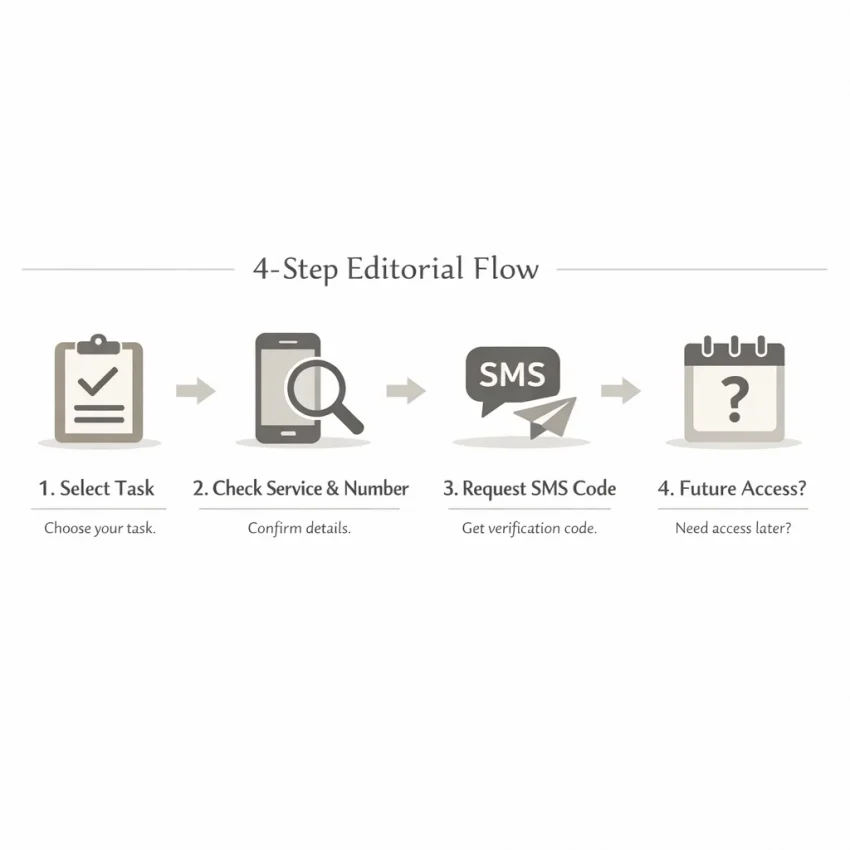
A practical workflow has four parts: identify the service and purpose, check that the number fits the task, request and retrieve the verification SMS, then decide whether you need access again. Think beyond the first code. A service may request another OTP during sign-in, a security check, or an account change.
Start with the whole task
Before proceeding, check that the target service permits your intended method. Follow its current rules, and stop if a verification request seems unexpected. A provider listing describes an available option; it does not promise that a particular app or website will accept the number.
There is no universal “best” number. Service requirements, country fit, verification type, and recovery needs all matter. Consider whether the account is low-stakes, whether you have another recovery method, and whether continued access to the number is important.
Start with the account and verification task—not the number
Before comparing numbers, identify the exact service, the purpose of verification, and what access you may need later. A number that suits a one-time activation may be a poor fit for an account you expect to keep.
Use this pre-purchase checklist
- Name the service and task. Is this account setup, activation, or another permitted verification step?
- Check the service’s current rules. Confirm whether virtual numbers are allowed and whether number types or countries are restricted.
- Consider future codes. Could the service request another OTP during a new-device sign-in or account change?
- Decide how long you need access. A single code and ongoing account access call for different plans.
- Review the terms. Follow both the target service’s rules and the provider’s stated conditions.
If a service specifies a country or number format, account for that before selecting an option. Do not use a number to bypass a restriction or misrepresent your identity.
Match the number to the account’s importance
For a low-stakes, permitted task, a temporary number may help separate verification from your personal number. But consider what happens if you lose access. If the account later requires another code, you may not be able to receive it.
For banking, primary email, work accounts, or other sensitive accounts, use a durable number you control and can keep using. A virtual number does not replace identity checks or other verification requirements. Never use one to impersonate someone, create deceptive accounts, or evade a service’s safeguards.
Choose the right number type: single-use access or a number you can revisit
The right option depends on what happens after the first code. If you need to verify an eligible account once, a one-time SMS number may keep the task simple. If the service could request another OTP, consider whether you will still be able to access the number then.
When a one-time number fits
A one-time option can suit a limited task when you do not expect to use the number again. It can make the workflow straightforward: select an appropriate option, request the code through the target service, enter it there, and finish the task.
But “one-time” should shape your expectations. If the service later sends another code to that number, you may not be able to receive it through the original flow. Do not use a single-use option for an account whose recovery depends on continued access to the number. Review the listing’s stated duration and conditions before selecting it.
When longer access may be worth considering
If you expect repeat verification, a rental may be worth evaluating. SmsPva offers virtual numbers for SMS verification and OTP receipt, as well as phone number rental options for workflows where longer access may be relevant. Check the specific listing’s access period and terms before deciding.
Rental does not automatically mean a number will be available for every future code, accepted by the target service, or accessible without interruption. Treat the stated duration as a condition to verify, not an assumption. For critical accounts, prefer a durable number you control.
A step-by-step SMS phone number workflow with SmsPva
Start with the account you intend to verify, not whichever number option appears first. Confirm that the target service permits virtual numbers, decide whether you need one code or possible future access, and review the current listing. SmsPva provides virtual numbers for SMS verification and OTP receipt, but neither acceptance nor message delivery is guaranteed.
Choose and request a number for the exact service
- Identify the service and task. Know which account is asking for verification and whether this is initial setup or a step that may require another code later.
- Find a matching option. Look for the relevant service or a suitable number option. For a Signal workflow, start with the Signal SMS verification context rather than assuming a number intended for another service will work.
- Review the live listing. Check the displayed country, duration, price, and conditions. Make sure they fit your task, especially if you may need another OTP. Listings and availability can change.
- Select only if the terms fit. Follow the instructions shown in the SmsPva flow. If the number type, duration, or conditions are unclear, pause and check the available guidance.
Country can matter because services may apply different verification requirements. For example, you can review Signal verification in the United Kingdom when that service and country fit your task. Choose based on the target service’s rules and the options currently shown, not on a guess that one country will work better.
Retrieve the message and enter the code carefully
- Request the code through the target service. Enter the selected number only in the intended account verification screen. Check that the service is asking for an SMS code and that the request matches the account you mean to set up.
- Check the SmsPva message flow. Return to the relevant page and check for the incoming message according to its instructions. A message may not arrive, and a service may reject a number even when you selected its service-specific option.
- Enter the code only where it belongs. If a code appears, submit it only on the target service’s legitimate screen. Never share an OTP with another person or enter it into an unfamiliar page.
Stop if the page or request looks unexpected. Note whether the account may need another code later, and treat the attempt as unsuccessful unless the target service confirms verification.
How to compare options: fit, access, privacy, and total cost
The best SMS verification number is the one that fits the specific task and its follow-up needs. Compare service fit, country, access period, repeat-code requirements, privacy boundaries, cost, and support. A convenient-looking number may still be unsuitable if the service rejects it or you cannot access it again when needed.
Check service fit, country, and access needs
Start with the exact app or website. Check its current rules for virtual numbers and whether it requires a number from a particular country. A provider listing can help narrow your choice, but it does not guarantee acceptance. Requirements can vary or change.
Next, decide how long you may need access. A single-use option may suit a one-time task. If you expect another OTP, check whether the listed access period fits your needs. Do not assume a number will remain available or reusable beyond its stated terms.
Weigh privacy, cost, and support
A virtual number can separate a verification task from your personal number, but it does not make an account anonymous or prevent the platform from collecting other information. Do not assume exclusive control unless the provider’s terms explicitly say so. Follow the target service’s rules.
Avoid using a number you may not retain for banking, primary email recovery, or other critical accounts. For those, continued access matters more than short-term convenience. Review the provider’s terms and support information, especially if your workflow depends on receiving another message later.
Check the displayed price and applicable conditions when you select an option. Confirm what the price covers and use the current listing for live details. A low displayed cost does not tell you whether the number fits your task, and listings can change.
For a practical comparison, note the service, required country, access duration, and likelihood of a repeat code. Rule out options that fail an essential requirement before weighing convenience or cost.
Troubleshooting: what to check when an SMS code does not arrive
A missing code does not always mean the number is faulty. The target service may not have sent the message, may delay it, or may not accept that number. Work through these checks rather than requesting codes repeatedly.
Confirm the selection and request
- Recheck the service and number. Make sure you selected the intended service and entered the number shown in your SmsPva workflow. Review any listing conditions.
- Verify the target service sent a code. Look for an on-screen confirmation. Check that you entered the number correctly, including the country selection or dialing format if required.
- Review the message status. Return to the relevant SmsPva page and follow its instructions. Do not assume a code was sent just because you submitted a form.
- Wait before trying again. Give the request time, then check the status once more. Repeated rapid requests can trigger limits or security checks on the target service.
If a code arrives, enter it only on the service where you started verification. Never share it with another person.
If the code still does not arrive
Check whether the target service shows an error or says it sent the code. If it reports an error, follow its instructions and review its rules for the number type. A service may reject a number even when the selection looked suitable.
If the service indicates that it sent a message but none appears, check the SmsPva page again after a pause. Then consult the SmsPva Help area for support and troubleshooting guidance. Share relevant details about the issue, but never send an OTP, password, or other sensitive account information.
If the service rejects the number or no message appears, stop rather than making repeated attempts. Check whether the method is permitted and whether another approved option is available. Delivery and acceptance are not guaranteed.
The recommended workflow—and when to choose another approach
Choose an SMS phone number for a specific, permitted task—not simply because it looks inexpensive or convenient. Confirm the target service’s current rules, check service and country fit, and decide whether you may need another code later.
Match the number to what happens next
For a suitable one-time verification, a service-matched SmsPva virtual number can be a practical option. Check the live listing and its terms first. If you expect future OTPs, consider a longer-access option only when its stated duration fits your needs. For primary email, banking, or other important accounts, use a number you expect to retain.
Before paying, check that the service permits the number type, the listing fits the service and country, the access period suits your plans, and you have reviewed the displayed price and conditions. After requesting a code, enter it only on the intended service’s official flow.
For a permitted verification task, use SmsPva to receive SMS verification codes with virtual phone numbers after checking live listings and the target service’s requirements. For critical recovery, choose a durable number you control.
Frequently asked questions
What is an SMS phone number, and how is a virtual number different from a personal mobile number?
An SMS phone number can receive text messages, including verification codes. A virtual number is provided through an online service rather than being your everyday personal mobile number. It can separate a verification task from your personal number, but it does not guarantee acceptance, privacy, or continued access.
Can I receive an SMS verification code online with SmsPva?
SmsPva provides virtual numbers for SMS verification and OTP receipt. Whether a code arrives depends on the target service and the available number option. A successful delivery or verification is not guaranteed.
How do I choose between a one-time number and a longer-access number?
Choose a one-time option only when the task ends after verification and future access is not important. Consider longer access if repeat codes are plausible, and check the specific listing’s duration and terms. Use a durable number you control for critical account recovery.
Will every website or app accept a virtual SMS number?
No. Services set their own requirements, and they may restrict or reject virtual numbers. Check the target service’s current rules before selecting a number. A provider listing does not guarantee acceptance.
What should I do if the verification SMS does not arrive?
Confirm the selected service and number, check that the target service submitted the request, and review the message status. Pause before retrying; repeated requests may trigger limits. If the issue continues, consult SmsPva’s Help area and the target service’s instructions.
Is it safe to use a temporary number for account recovery?
It can be risky if you may lose access to the number before a later recovery request. For banking, primary email, and other important accounts, use a durable number you control and expect to keep.
Should I check the service and country before selecting a number?
Yes. Check the target service’s rules and any country requirements, then compare them with the current listing. Service and country fit can inform your choice, but neither guarantees acceptance or delivery.